
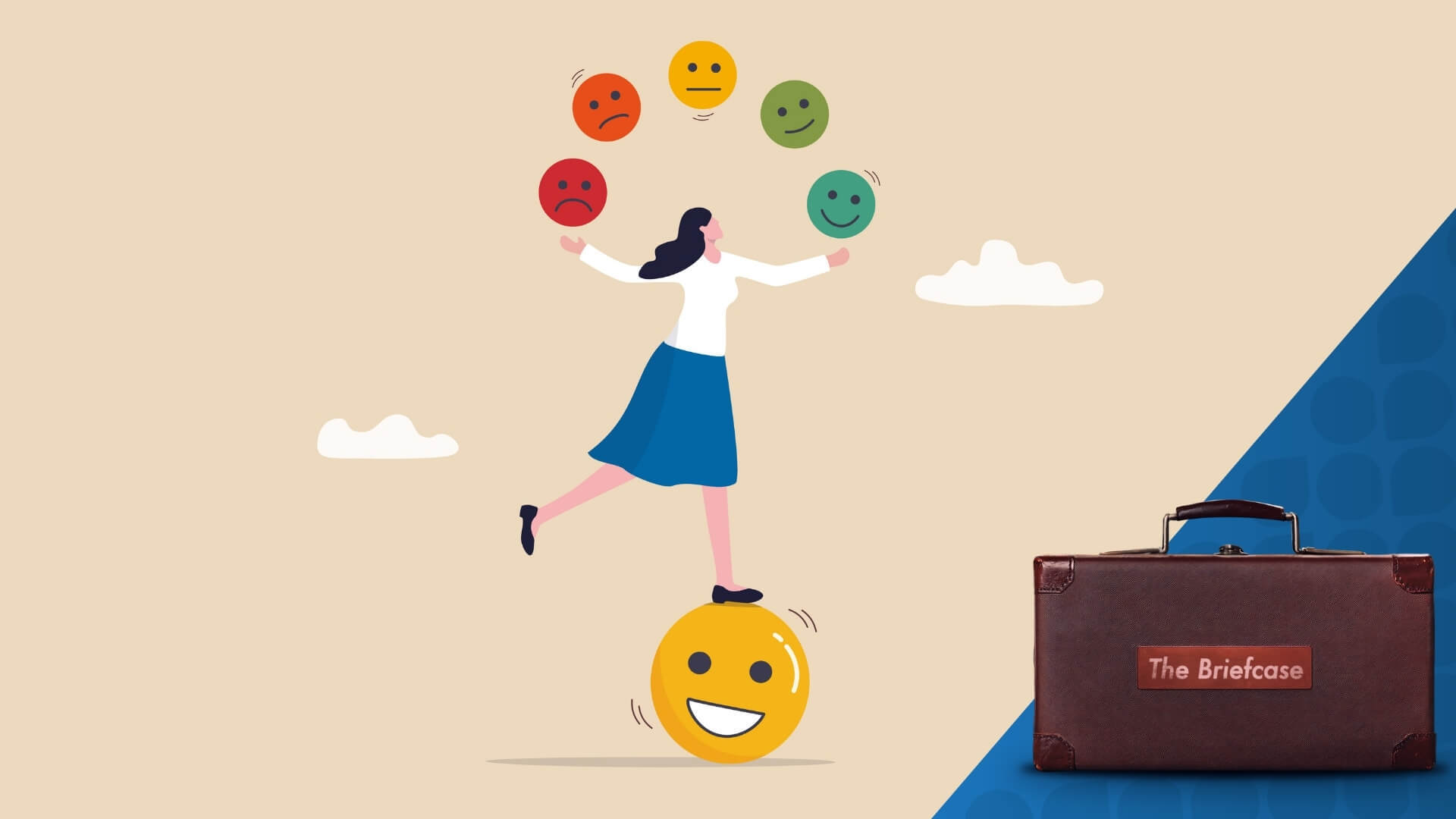
If you’ve ever quietly stewed over a badly formatted spreadsheet or muttered "I’m fine” through gritted teeth in a budget meeting - congratulations, you’ve experienced feelings. And no, we don’t just mean "revenue recognition rage” or "payroll panic.”
This week, we’re talking about emotional intelligence, the thing most accountants pretend they don’t need, until someone cries in a meeting or rage-quits at year-end.
Accountants tend to be more Spock than Deanna Troi - or, for the non- Star Trek fans, more logic focused than led by feelings - but emotional intelligence is a tool that can make you stand out from other accountants.
🎭 Why emotional intelligence matters (even for accountants)
Emotional intelligence, or EI, is your ability to understand your own emotions, manage them appropriately, and recognise how others are feeling too.
Because although we like to imagine we’re entirely logical, rational beings, we are, of course, human. Which means we react, we get stressed, we pick up other people’s energy, and we interpret situations emotionally, whether we mean to or not.
Studies have shown that EI is a better long-term predictor of success than IQ. Daniel Goleman - the godfather of EI - puts it like this:
"In a high-IQ job pool, soft skills like discipline, drive and empathy mark those who emerge as outstanding.”
We’ll take "outstanding,” thanks.
👀 The two kinds of self-awareness
Turns out, just knowing you’re grumpy isn’t enough.
Internal self-awareness means recognising how you feel, and what those feelings might lead you to do. Are you annoyed? Anxious? Sleep-deprived? All of these affect your reactions - especially when someone hits Reply All unnecessarily.
External self-awareness is knowing how other people perceive you. You might think you’re being "direct.” Your team might describe it as "mildly terrifying.”
Put those two together, and you get a clearer picture of how you interact with others, and how to improve it.
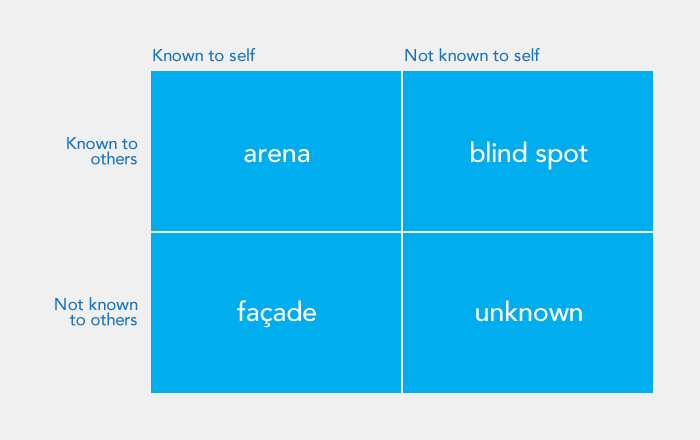
There’s a tool called the Johari Window which breaks this down into four parts:
- Open: What you and others both know
- Private: What you know, but others don’t
- Blind spot: What others know, but you don’t
- Dark: Nobody knows. Spooky
The blind spot is the one that usually causes problems in meetings!
🎧 Thoughts, moods, and other hidden influences
We’ve all had one of those days where a mild inconvenience spirals into a full existential crisis by lunchtime.
That’s the unholy trinity of thoughts, emotions, and moods working their mischief.
- Thoughts: Your inner monologue
- Emotions: What you’re feeling in reaction to something
- Mood: The low-level vibe you’re carrying around without noticing
They all feed into each other. Grumpy mood → negative thoughts → frustration → more grumpiness. You get the idea.
The point? You’re not as rational as you think you are. But being aware of that makes a big difference.
🔍 Listening and empathy: Actual superpowers
Let’s be honest: accountants are fantastic at solving problems. But sometimes, people don’t want problems solved, they just want to be heard.
That’s where empathy comes in.
There are three levels:
- Cognitive empathy: I understand how you feel
- Emotional empathy: I feel how you feel
- Compassionate empathy: I understand, I care, and I want to help
You don’t need to cry with someone to be empathetic. Sometimes, simply repeating what they said in your own words, asking thoughtful questions, and resisting the urge to fix everything on the spot can be far more powerful.
Also, listening is not the same as agreeing. You’re allowed to understand someone without validating their dodgy expenses.
🤝 Rapport: Why it matters more than you think
Rapport isn’t fluff. It’s influence.
It’s the thing that makes someone come to you with a tricky client or a last-minute panic. It’s why someone takes feedback well from one colleague and terribly from another. It’s the difference between "We should really fix this” and "I’ll fix it because you asked.”
Rapport happens when people feel:
- Like you get them
- Like you like them
How do you do that? Mirror their tone. Match their pace. Actually listen. Show some warmth. Remember what they told you last week.
🧘 You can develop this
Emotional intelligence isn’t a gift some people are born with. It’s a skill. A learnable one.
Here’s how to start:
- Self-reflect: Ask yourself how you responded to situations and why
- Ask for feedback: From people who’ll be honest
- Identify patterns: When do you react badly? What’s the trigger?
- Practice pause: Feeling something? Take a moment before responding
Small changes make big ripples. Not interrupting someone. Checking in before launching into a request. Not sighing loudly during meetings (unless it’s month-end when we allow one sigh per hour).
🧠 Final thoughts
Emotional intelligence isn’t about being soft. It’s about being smart with people.
We work in a high-pressure, detail-oriented world. Feelings happen, even if nobody talks about them. But those who understand their own reactions, manage stress effectively, and build rapport are the ones who lead better, work better, and let’s be honest, feel better too.
So, maybe this year’s resolution isn’t just to get your CPD done early. Maybe it’s also to pause before replying, ask a colleague how they’re really doing, or just admit that yes, the spreadsheet crashing made you feel things. That’s emotional intelligence.
💡 Want to learn more about Emotional Intelligence?
If this week’s Briefcase struck a chord, dive deeper with our 4-hour CPD course on Emotional Intelligence. Learn practical ways to understand yourself, connect with others, and build better workplace relationships.
Explore the Course
You need to sign in or register before you can add a contribution.